Chake Chake Gives Pemba Island a Working Centre Beyond Its Beaches
Chake Chake is a useful place to begin understanding Pemba Island. The town is a centre of administration and trade on the Tanzanian island, with a market, an old fort and roads leading toward the airport and the coast. It is a different Pemba from the port city in northern Mozambique, hundreds of kilometres away across the region.
The distinction matters when planning a journey. Pemba Island belongs to the Zanzibar archipelago, while Pemba city is the capital of Mozambique's Cabo Delgado province. Flights, ferries, local authorities and travel conditions are separate. A search for the bare name can bring up both.
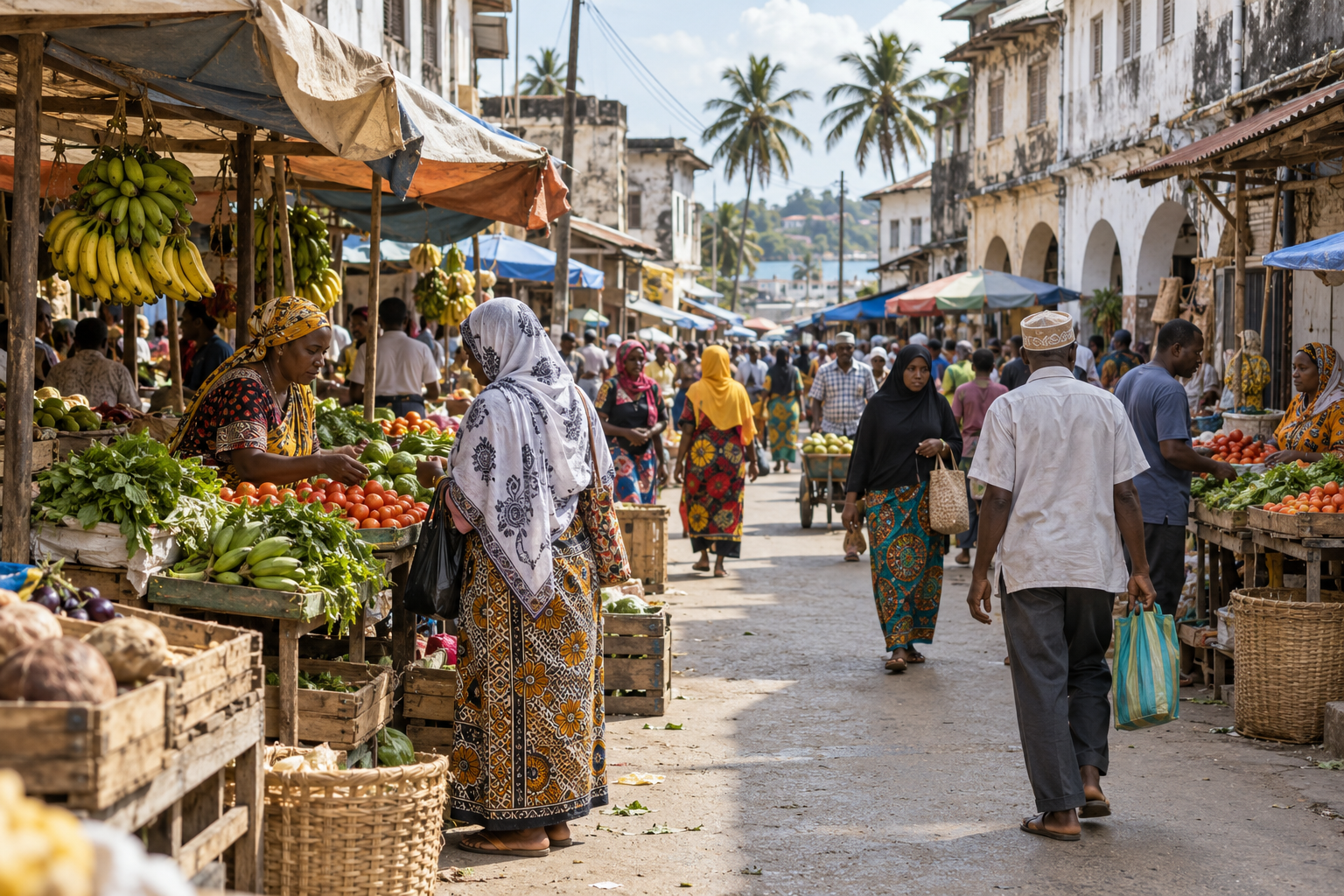
Image: pxef.com
A town tied to the island
Chake Chake is more than a staging point for beach trips. Its market and surrounding streets connect visitors with the island's everyday economy. Agriculture and fishing matter across Pemba, and cloves have long connected its farms to wider Indian Ocean trade. That history is visible in the importance of produce, transport and trading relationships, even if a visitor arrives looking mainly for the coast.
The island's fertile landscape supported a major clove economy during the nineteenth century. The history of that trade also includes plantation slavery; a stroll past a market stall cannot explain the whole story. Pemba was connected to commercial networks that reached far beyond its shores, with benefits and burdens distributed very unevenly.
The Zanzibar Commission for Tourism describes Chake Chake as the island's capital and points visitors to its market and historic places. It is worth allowing time to walk through the centre rather than treating it as a transfer to a resort. Ask before photographing traders or their goods, and leave room for people doing their shopping.
The fort and older settlements
The old fort is one of the town's most visible heritage landmarks. Its museum or interior may not be open on the day you visit, so check locally before building an itinerary around admission. A closed door is not unusual at smaller heritage sites where staffing and maintenance can change.
The island's older history reaches well beyond the town. The Zanzibar tourism authority identifies the Mkama Ndume ruins in Chake Chake district as the remains of an early Swahili settlement. Pujini is another heritage site associated with Pemba's past. Check access and transport in advance, and do not remove or disturb material from an archaeological site.
Dates and stories attached to old buildings are sometimes repeated more confidently than the evidence allows. A local guide can make a visit richer, but it is sensible to distinguish a documented date from a tradition or an interpretation.
Planning the onward journey
The airport is on the Chake Chake side of the island; ferry arrivals use Mkoani in the south. They are different arrival points, so a hotel transfer should be arranged for the one on your ticket. Schedules and fares can change, and the practical connection depends on the day rather than on a distance shown on a map.
The west coast offers access to boat trips, including journeys toward Misali Island. Weather, tides, conservation rules and the available operator all affect whether a trip runs. Confirm the landing point, equipment and total price before leaving. Do not assume that a boat departs directly from the town market.
Chake Chake works best as a starting point for seeing Pemba as a lived-in island. The market and fort can fit into a short stop, while the coast and heritage sites need their own arrangements. Leave some flexibility in the day; that is often more useful than adding another name to the itinerary.